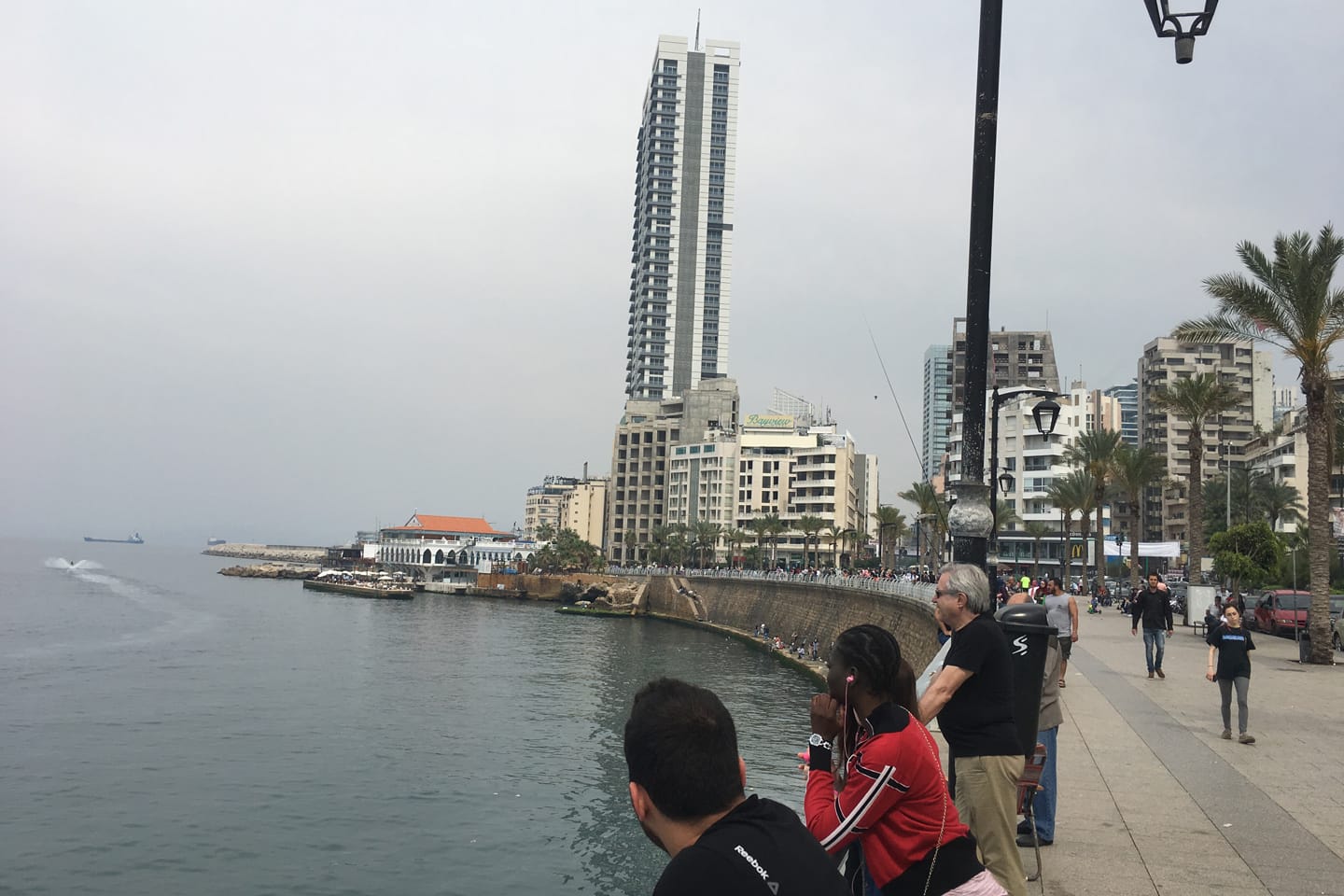

When I told people about my Beirut plans, there was plenty of scepticism: civil war, Hezbollah, an unstable situation. The facts: the civil war ended in 1990, the last major conflict was in 2006 – and as a tourist you notice little of Hezbollah in daily life. After some research and a look at the weather, I set off in May.
Visa, entry and flights
The most important requirement: you must not have an Israeli stamp or a valid Israeli visa in your passport. The visa itself is issued easily on arrival; the forms are handed out during the flight.
Most flights to Beirut are at inconvenient times. From Frankfurt, carriers include Lufthansa, MEA, Turkish Airlines and Pegasus – usually €250–350, direct or with one stop in Istanbul. At the airport I withdrew Lebanese pounds (LBP) straight away; locally the national currency is preferred. The people impressed me throughout with their reliability and friendliness.
Where to stay and hotels
Two areas make sense:
Hamra is the touristy nightlife district – lots of coffee shops, bars and restaurants, around the clock. Not particularly chic and it’s loud, but lively.
Mar Mikhael / Armenia Street is quieter, with upscale dining and clubs nearby – about 45 minutes on foot from Hamra or by taxi for 15,000–20,000 LBP.
My hotel tips:
- 35 Rooms – a small boutique hotel, plain-stylish rooms, English-speaking staff, arranges taxis at fair prices.
- Caramel Boutique Hotel – elegant, with its own bar, right in the Hamra nightlife district.
- Hamra Urban Gardens – rooftop bar, pool, gym and café. My favourite for the next visit.
Beirut is contradictory, loud, warm-hearted – and culinarily magnificent. Those who dare are rewarded.