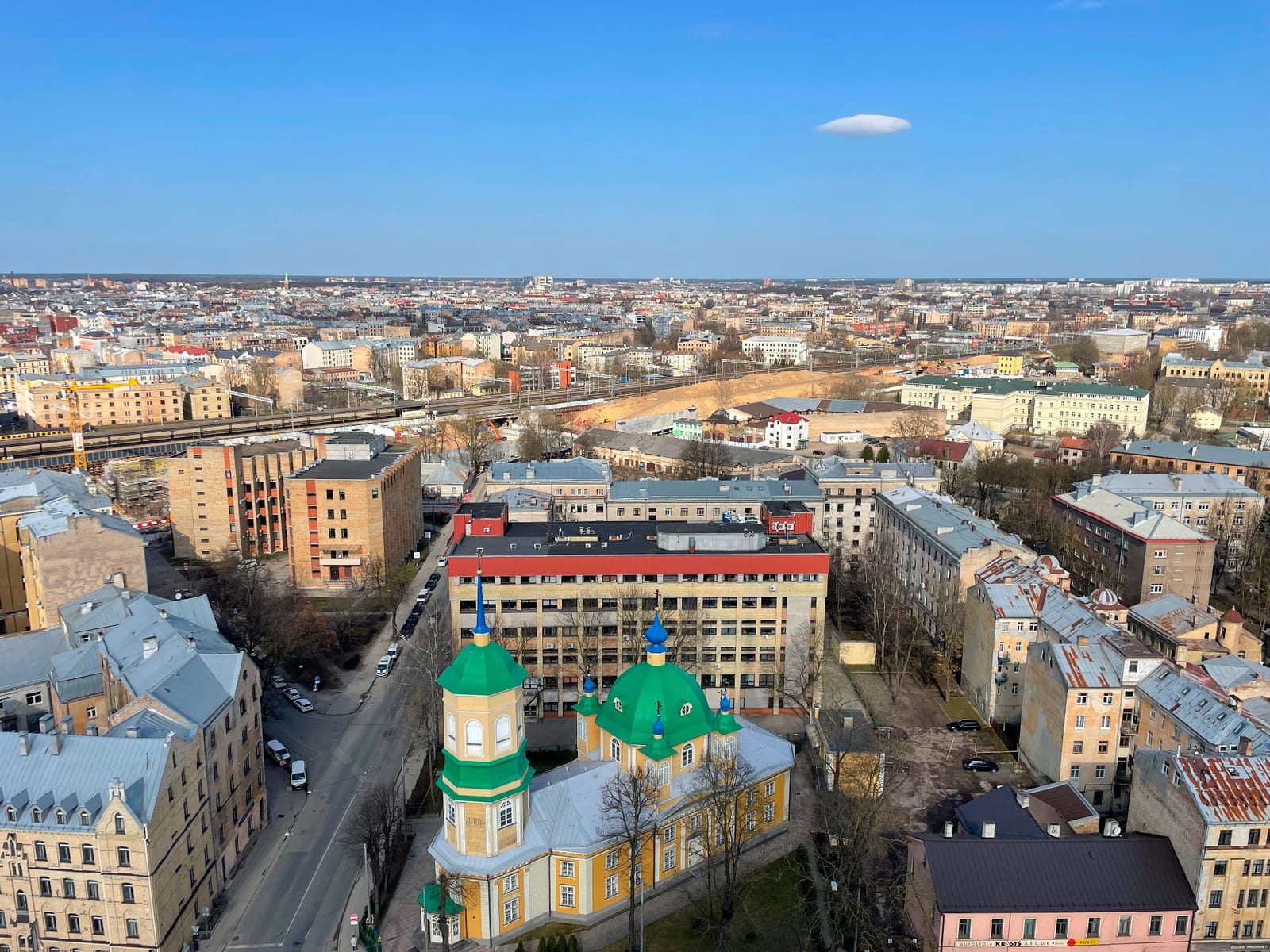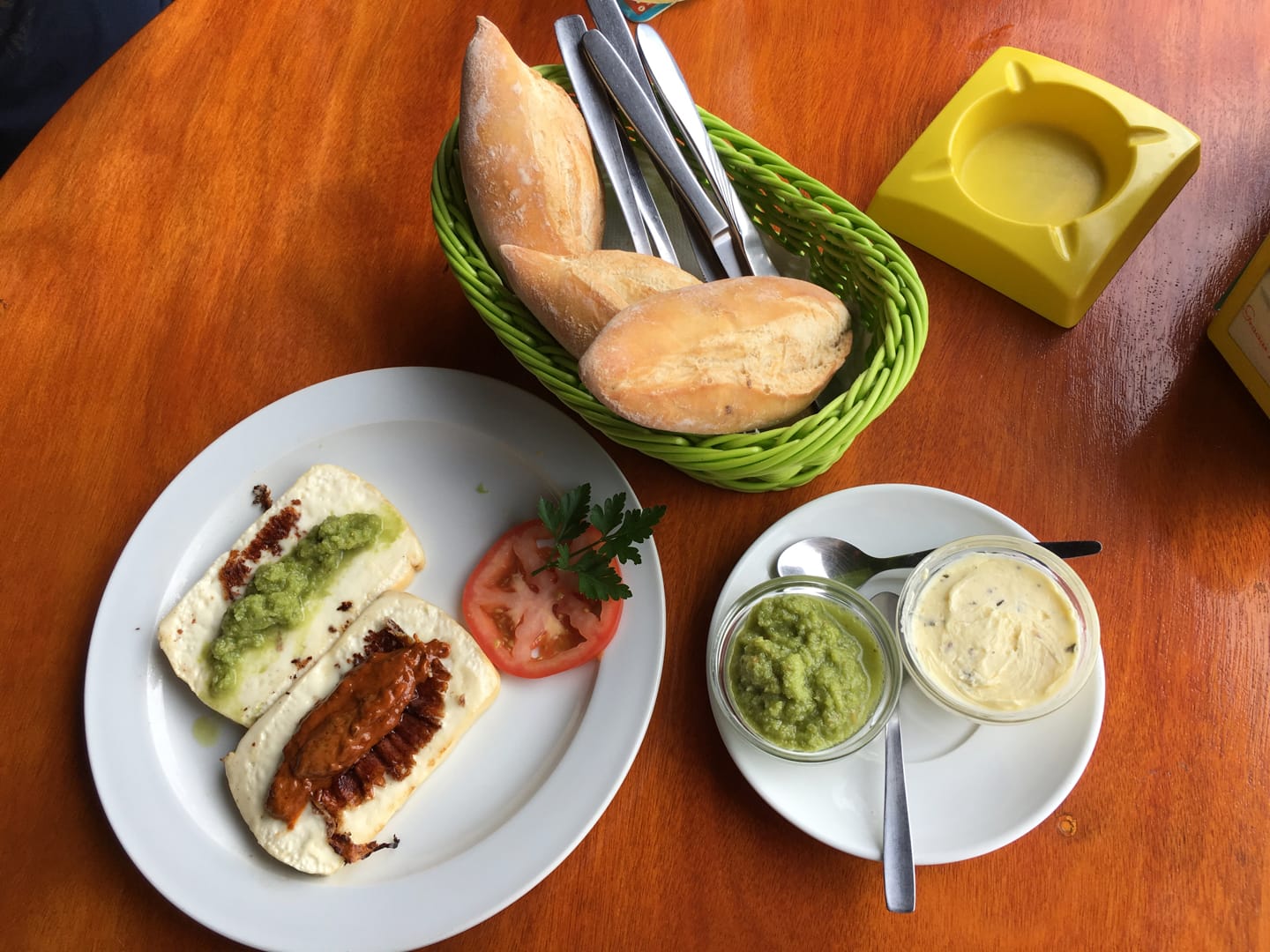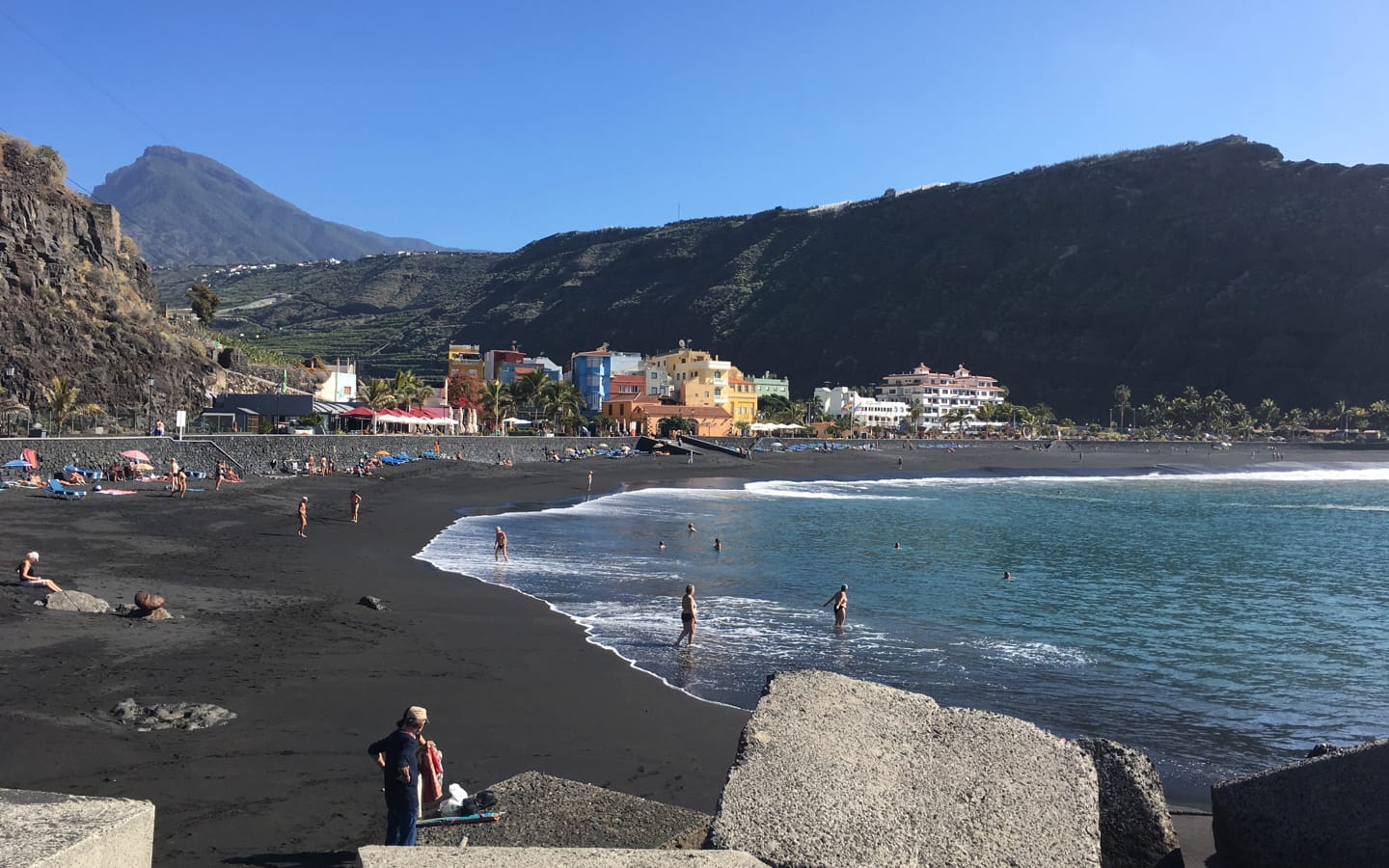

I’m actually a Barcelona fan. But these days Barcelona is so overrun that the charm suffers. Valencia surprised me: calmer, more relaxed, and it’s much easier to strike up a conversation with locals. I even lived here for four weeks, right in the middle of the Cabanyal fishing quarter, and thought about buying an apartment. Add to that the home of paella, a green riverbed running straight through the city and one of the most beautiful city beaches in Europe. Here comes my very personal guide, with plenty of map links you can save straight away.
Getting there and getting around
Valencia has its own airport (VLC), about 15 minutes from the centre by metro (lines 3 and 5). From many European cities there are direct flights with low-cost and full-service airlines alike (for example Ryanair, Vueling and easyJet), plus plenty of cheap connections with a stopover. It’s best to check current routes.
Around the city you can get everywhere on public transport. A few things I wish I’d known beforehand:
- You need a rechargeable card, which you can get at the airport and in any tobacconist (Estanco). You can top it up right there in the shop or through the EMT Valencia app.
- Watch out for the zones: from the airport into the city it’s two zones, within the city just one. You need different tickets for each. The easiest way: take a taxi from the airport into the centre, then use bus and tram around the city.
- You can get current travel times including the walk in the EMT Valencia app or via Google Maps.
- For taxi rides, Uber is worth it. Most taxi drivers don’t speak English; with the app you enter your start and destination and pay a fixed price by credit card when you get in. I’ve used Uber all over the world, very reliable, and you don’t get ripped off.
Good to know
A few things that make everyday life in Valencia easier:
- Siesta is real. Don’t plan any shopping around midday; many shops, and sometimes cafés and bars too, are closed. Better to go 10 am to 1 pm or 5 pm to 7 pm.
- Eating late. Dinner often isn’t served until 7:30 or 8 pm; Spaniards really do eat late. In most restaurants you should book a table.
- Market halls. In every neighbourhood keep an eye out (or check Google Maps) for the market halls; there are fantastic ones. My favourite is the Mercat de Russafa, but the Mercat Central, one of the largest fresh-produce markets in Europe, is a dream too.
- Coffee. When I’m out and about I always drink the local coffee; here it’s called a Cortado.
- Agua de Valencia. Not a special water, but a cocktail of freshly squeezed orange juice, Cava, vodka and gin. Best ordered as a carafe for the aperitivo, for two or for the group. Delicious and dangerously easy to drink.
- Wine. I had no idea how much wine there is around Valencia. I managed to drink only wine from the region for four weeks. Not always great, but an experience richer. My favourite winery is Sexto Elemento, about an hour west of Valencia. Sadly I ran out of time for a visit, so maybe it’s something for you. There are more wineries in that corner, so it might be worth spending a night out there.
My favourite neighbourhoods
El Cabanyal
The Cabanyal is the neighbourhood right by the beach, once a fishing and working-class quarter, poor and neglected for a long time. Today, on the first few corners, it’s turning into a trendy district. I lived here for four weeks in November. The architecture is unique: lots of beautiful, low old houses, plus plenty of graffiti and great corners for photos. I loved the contrast between boarded-up and freshly renovated houses. On some corners the neighbourhood feels a little rough, but it isn’t, so go ahead and venture deep inside. Around the corner of Calle Pescadors and Calle del Pare Lluís Navarro you’ll find houses with large-scale graffiti, a great photo subject.
My food tips in the Cabanyal:
- La Llimera Cabanyal: very nice, a touch upmarket.
- Casa Montaña: a tapas bar steeped in tradition; this is where I went on my birthday.
- Ca la Mar: a cosy little restaurant with superb cooking, which doesn’t look like it at first glance.
- Doux-Amer Café: a cosy café for a break, run by French owners, not typically Spanish but lovely.
When you’re in the Cabanyal, be sure to carry on to the beach, for me one of, or the, most beautiful city beach in Europe. It’s loveliest early in the morning before 9 am: joggers, beach-volleyball players, dog walkers, and on Saturday and Sunday mornings the party crowd heading home. Treat yourself on the beach at Café Jijonenca to a Horchata (a cool drink made from tiger nuts) with Fartons (sweet pastries for dunking), the Valencia classic for the afternoon. Afterwards you can walk along the quay wall right out to the tip of the marina, with a café for a pit stop again and again along the way. The Cabanyal, the beach and the harbour easily fill a whole day.
Russafa
Russafa (Ruzafa in Castilian) is the young, hip party and student quarter. Here Valencians, students and tourists browse in little shops, hang out in cafés and sit in the bars into the small hours. Definitely worth a look, including on a Friday or Saturday night.
Food tips:
- Canalla Bistro by Ricard Camarena: be sure to book and go for the tapas menu, it was sensational.
- Ubik Cafè: a small student café that’s also a bookshop. Good for a Cortado and a slice of Tarta.
- Los Picos Café: a great café in the heart of Russafa, only worth it in warm weather because you sit outside. If you arrive a little hungry, try the Sandwich Cubano, it’s amazing.
Old town (Ciutat Vella)
In the old town you can drift through the alleys and grand avenues for days. The finest sights lie close together: the cathedral with its tower El Miguelete (the climb to the top is worth it for the panoramic view), the Gothic silk exchange Lonja de la Seda (a UNESCO World Heritage Site) and the Plaza de la Virgen, alive with the bars in the evening. For the detailed tips, a good guidebook is worth having.
Food tips:
- Sagardi Valencia Centro: a fairly touristy Basque tapas bar, and yet I go every single time.
- Colmado LaLola: also a tapas bar, much smaller, more personal and cosier. A regular haunt of mine too.
- LALOLA Restaurante: first an aperitivo at the Colmado, then dinner at the restaurant that goes with it.
- Café de las Horas: the craziest café in town.
The Jardí del Túria
My favourite place in Valencia. After a catastrophic flood the river Turia was diverted and the old riverbed turned into a nine-kilometre park that winds like a green ribbon right through the city. Beautifully laid out and cared for, full of families, joggers, cyclists and strollers. Lie down under a tree, read a book on a bench or simply watch the people. Along the way you’ll pass the Gulliver playground, a walkable Gulliver figure to climb and slide on. Rent a city bike (Valenbisi) and ride the length of the park.
At the southern end stands the Palau de les Arts Reina Sofía, a beautiful concert hall. I was there for a classical concert in the grand hall, indescribable. If you’re in Valencia with a bit of time, look for tickets.
Ciudad de las Artes y las Ciencias
The city’s modern landmark, designed by Valencia-born Santiago Calatrava: a series of futuristic white buildings in shallow blue pools, right at the southern end of the Turia park. Just walking around and taking photos is worth it, especially in the morning or at the blue hour.
And then be sure to go inside everything, it’s one of Valencia’s top highlights: the Oceanogràfic (one of the largest aquariums in Europe), the science museum, the IMAX cinema Hemisfèric and the CaixaForum València (Àgora). Booking tickets in advance saves time at the box office.
Paella and the Albufera
One important note first: Valencia is the birthplace of paella, and the locals take that seriously. The real Paella Valenciana contains chicken, rabbit, green beans and the Garrofó bean, not some wildly mixed seafood medley. And you eat it at lunchtime, not in the evening.
It tastes most authentic in the Albufera nature park south of the city, a large freshwater lagoon surrounded by the rice paddies the rice comes from. Loveliest of all is a little boat trip at sunset, followed by a paella in the village of El Palmar. A perfect half day.
Hikes around Valencia
I walked a huge amount in the city. Without bus and taxi you’ll easily rack up 10 to 15 kilometres a day. If you want to hike beyond that, I recommend two spots in the surrounding area, both river hikes with waterfalls, wonderfully cool on hot days (I always take a dip in the river along the way):
- Cueva del Turche near Buñol. A hike along a river with several waterfalls. I walked about 12 kilometres with 300 metres of ascent. Once you’re past the first waterfall and the nearby car park, you’ll hardly meet another soul. You’ll find various routes on Komoot. Tip: in Buñol, on a hill, stands an old, abandoned cement factory that’s magnificently lit in the evening, a real photo scene.
- Salto de la Novia. Also a hike in a canyon with lovely waterfalls, considerably shorter than at the Turche and easy to vary. You’ll find a few routes here.
Accommodation and best time to travel
For a weekend I’d stay central, either in the Ciutat Vella (everything on foot) or in Russafa (more scene, lots going on in the evening). Anyone who stays longer and is after the real Valencia feeling is spot on in the Cabanyal. A good starting point in the old town is the Hotel Marqués House.
The best time is spring and early summer as well as September, mild and sunny without the heat of high summer. A special experience are the Fallas in mid-March, the city’s biggest festival with huge figures and fireworks. Wonderful, but then the city is packed and prices rise.
Valencia is sunny, culinarily strong and pleasantly unhurried. For a city trip with sun, good food and without the very worst of mass tourism, it’s my clear recommendation.